
Why We Do Prevention Work Differently
Most sexual violence prevention practices are built around the idea that the more we educate people (e.g sharing stats, definitions, myth busting), the less violence there will be. But decades of research show that an increase in awareness does not result in behavior change.
People often don’t act because they simply don't care, because they don't know how to, or it feels socially risky. Our role is to help them care, build the skills to act, and create the cultural conditions that promote and socially reward the desired behaviors.
Sexual violence prevention requires a practice designed for how young people pay attention, change behavior, and form new norms. We call this practice creative preventionism and our Creative Preventionist Model is how we teach it.
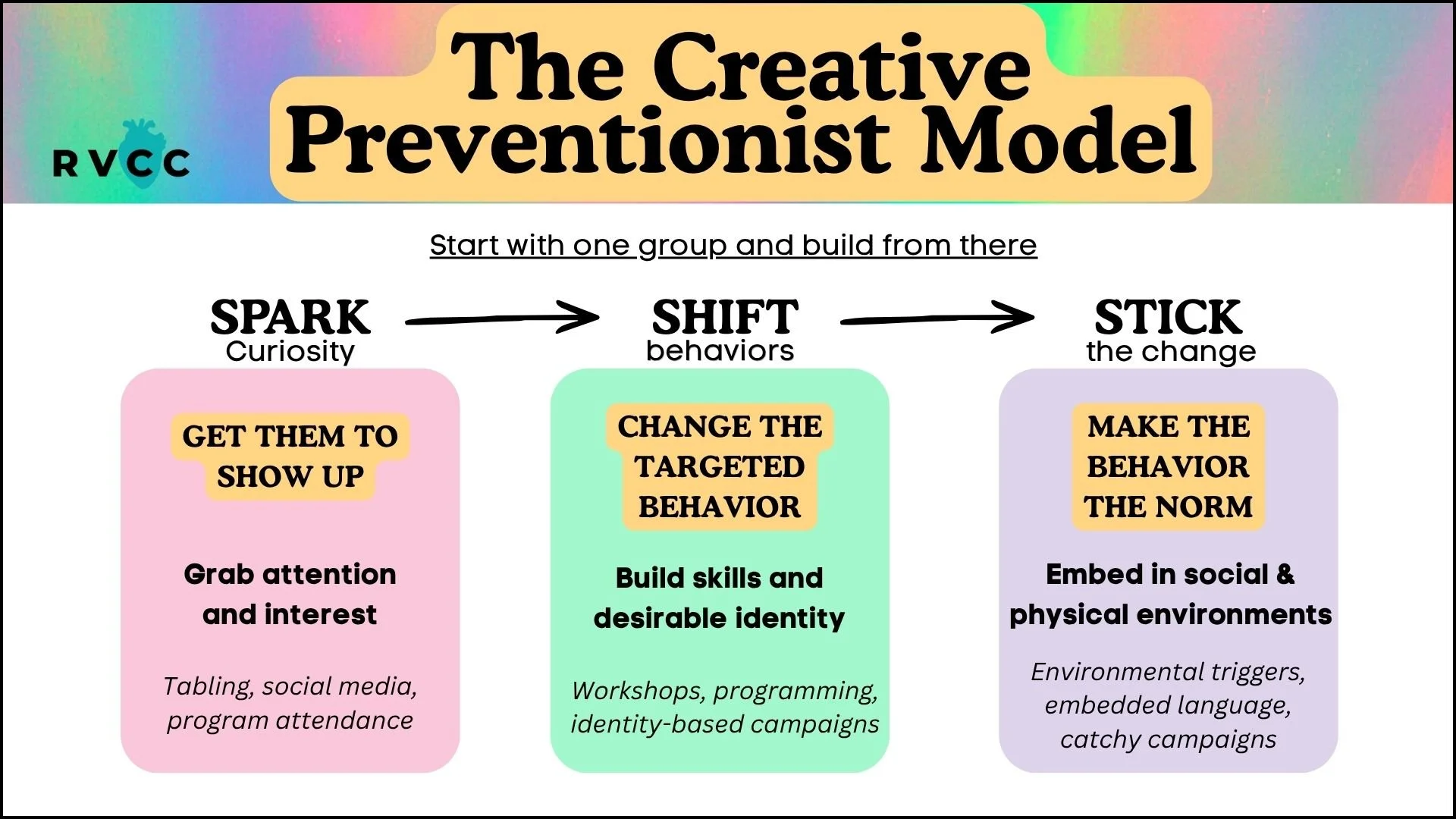
Three things creative preventionists do:
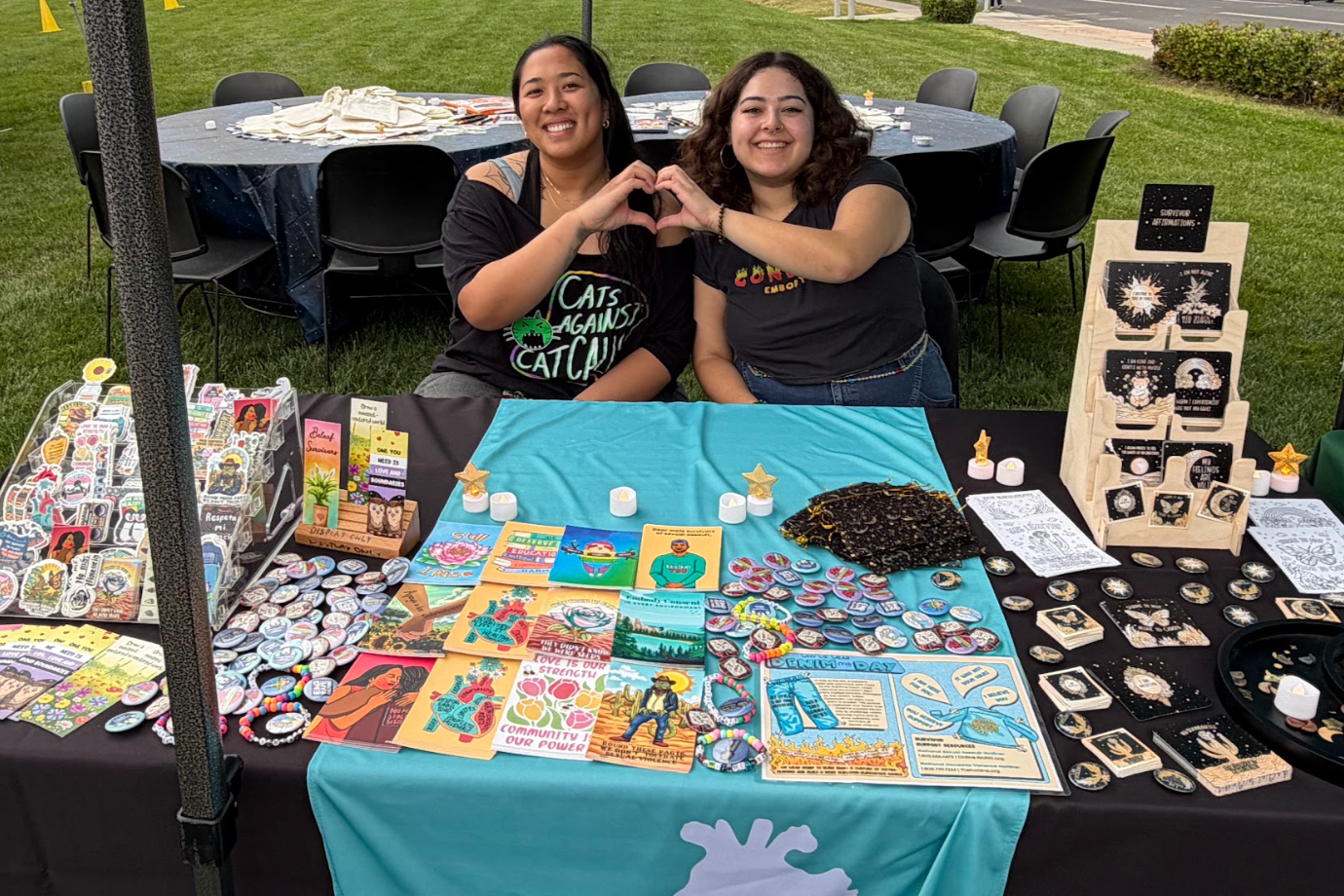
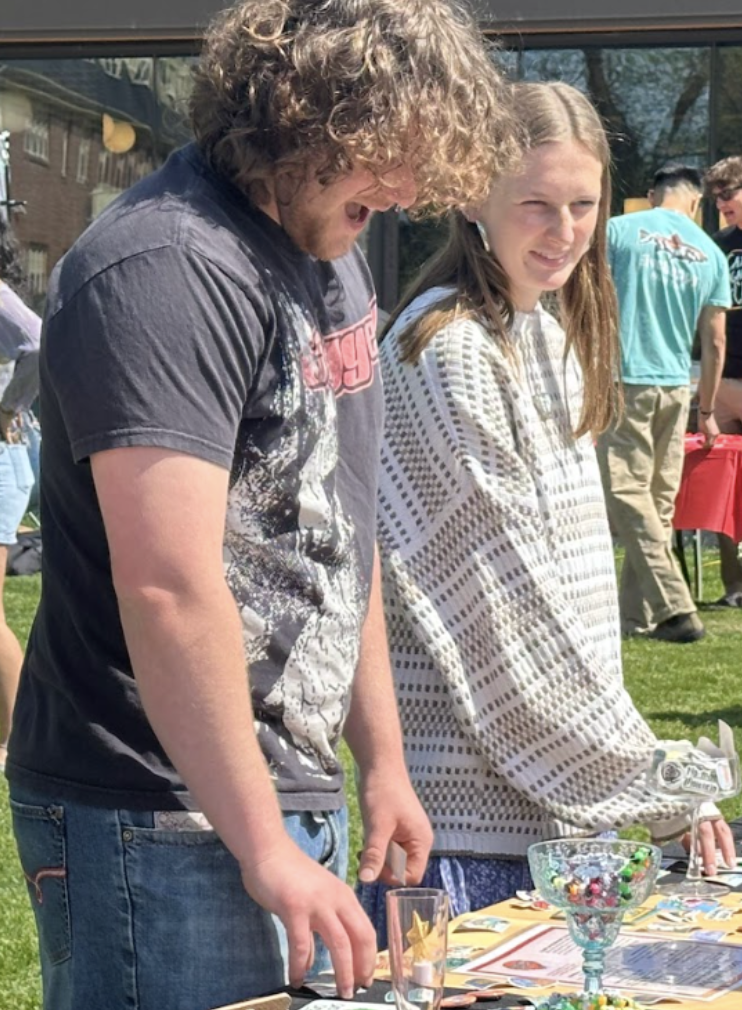
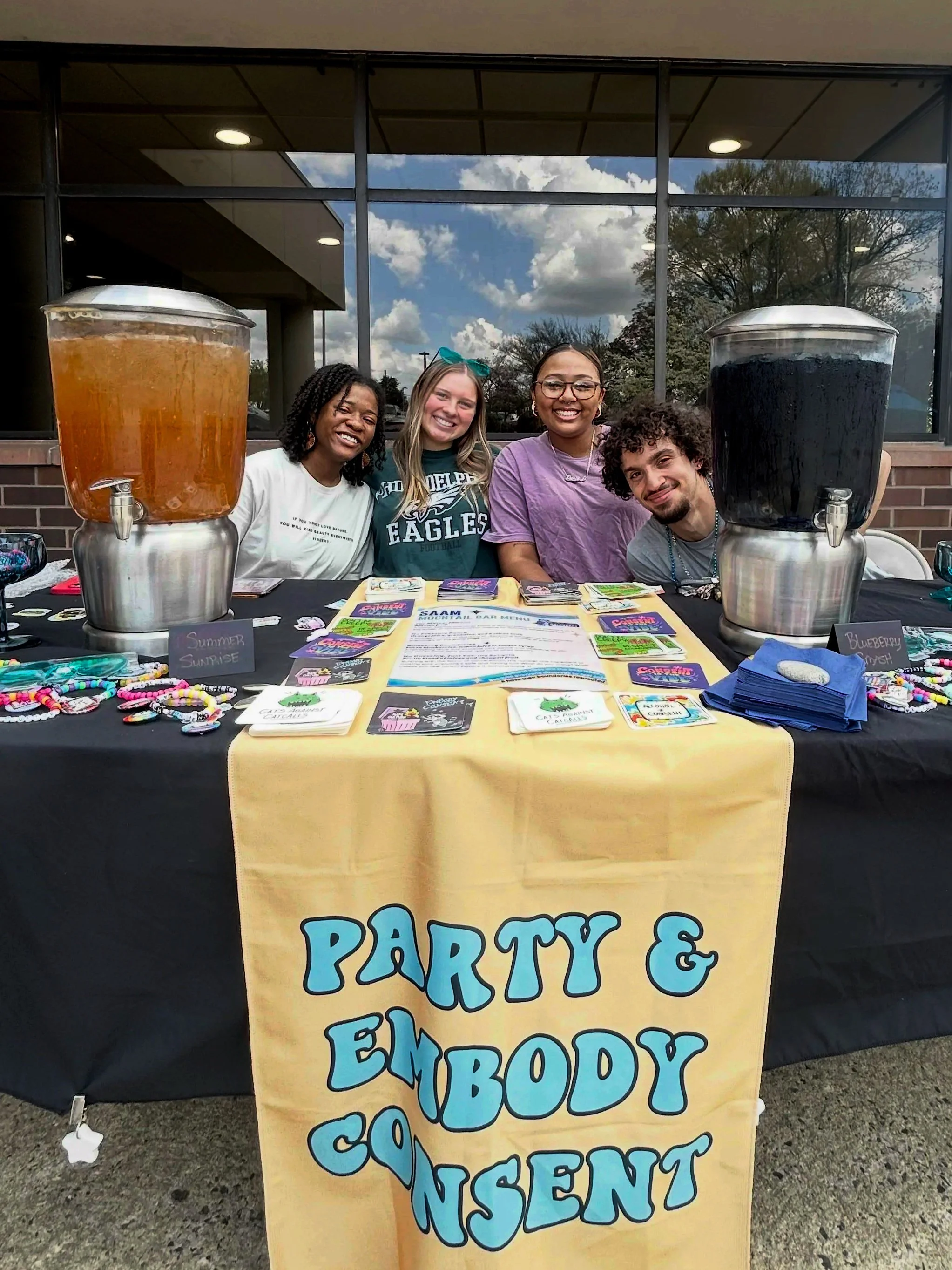
They spark interest. They design materials and experiences their community members are drawn to. Tabling that grabs their attention, social media content they’ll want to heart, and outreach that gets them excited to engage.
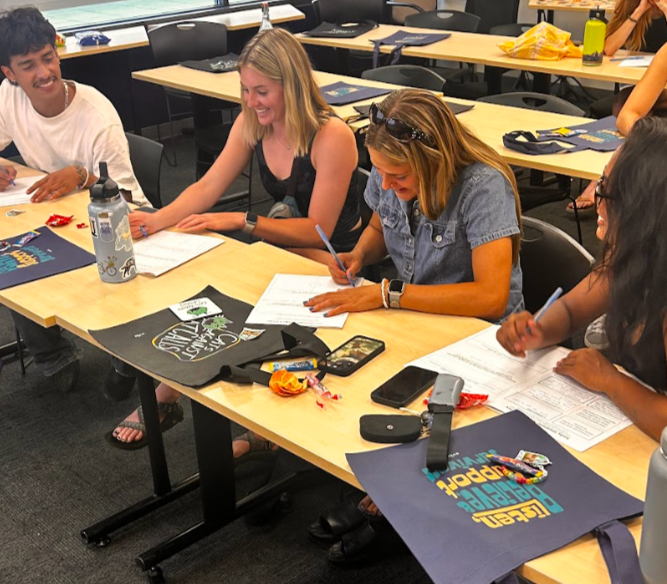
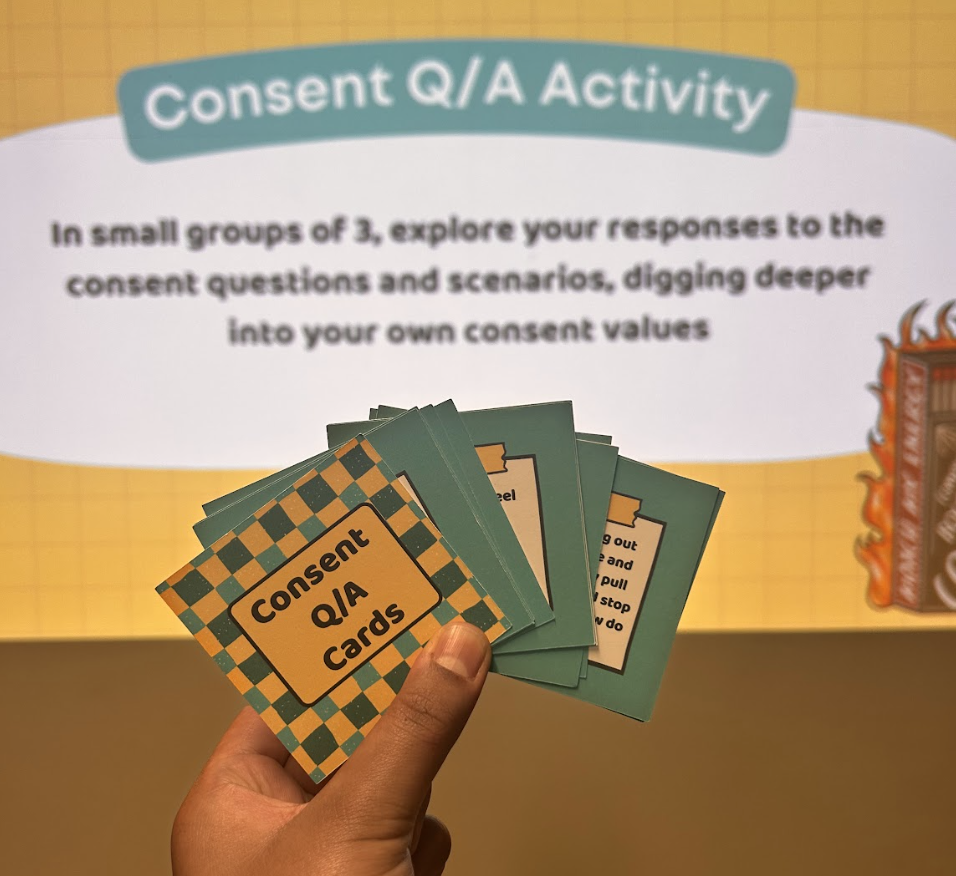
They shift behaviors. Every workshop is focused on promoting one specific desired behavior such as bystander intervention, practicing consent, and supporting survivors when they disclose. It addresses the barriers people experience to engaging in that behavior, and centralizes skill-building so they can practice it. Every campaign reinforces the same behavior with identity-based messaging that connects to young people's values and interests.
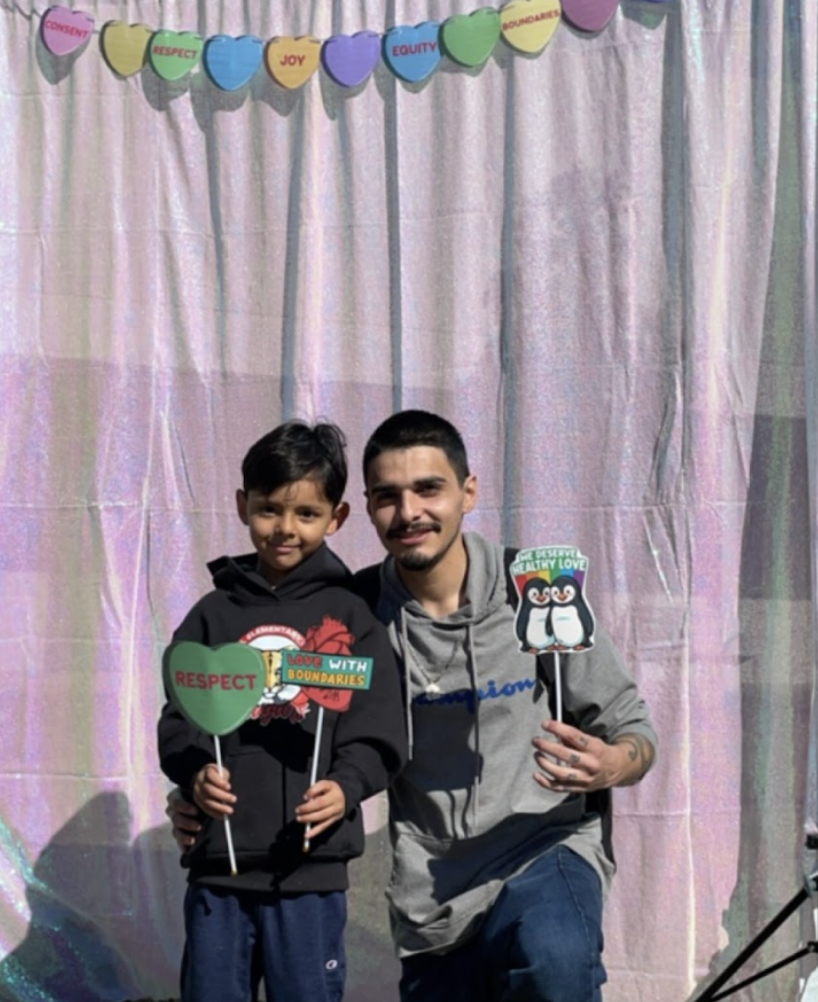
They create norms that stick. They craft a common language around prevention and embed its messaging into the social and physical spaces in the community. They partner with peer leaders to shape and lead new programming, positively influence their peers, and establish new violence prevention norms.

What the practice looks like in action
Our services show how we partner with organizations to put creative prevention into action. Our resource hub gives you tools you can use this week to experiment with. And our annual Creative Preventionist Campus Summit is where you can learn the SPARK-SHIFT-STICK practice in depth, including ways to tailor it to your community.
Examples of what creative prevention looks like:
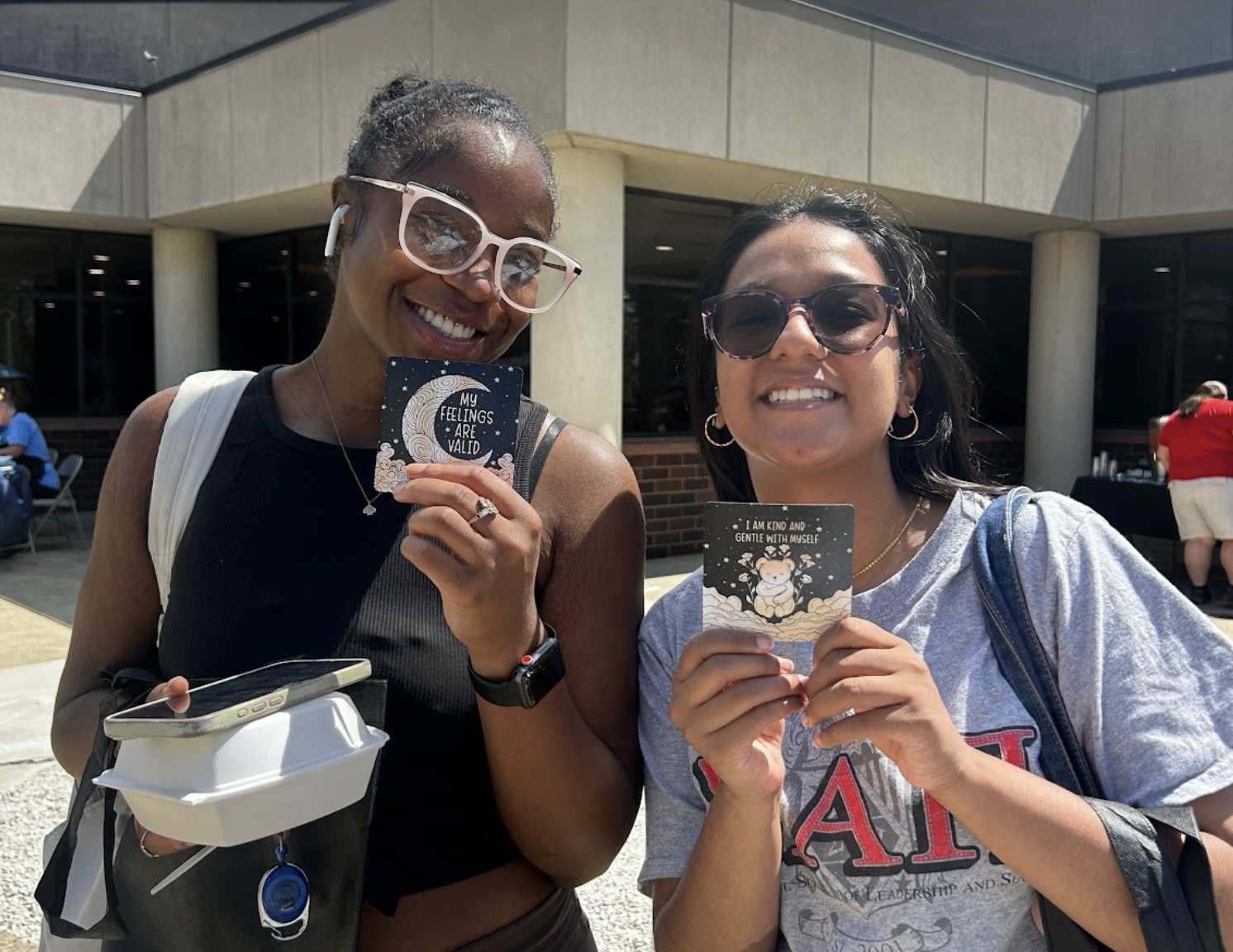
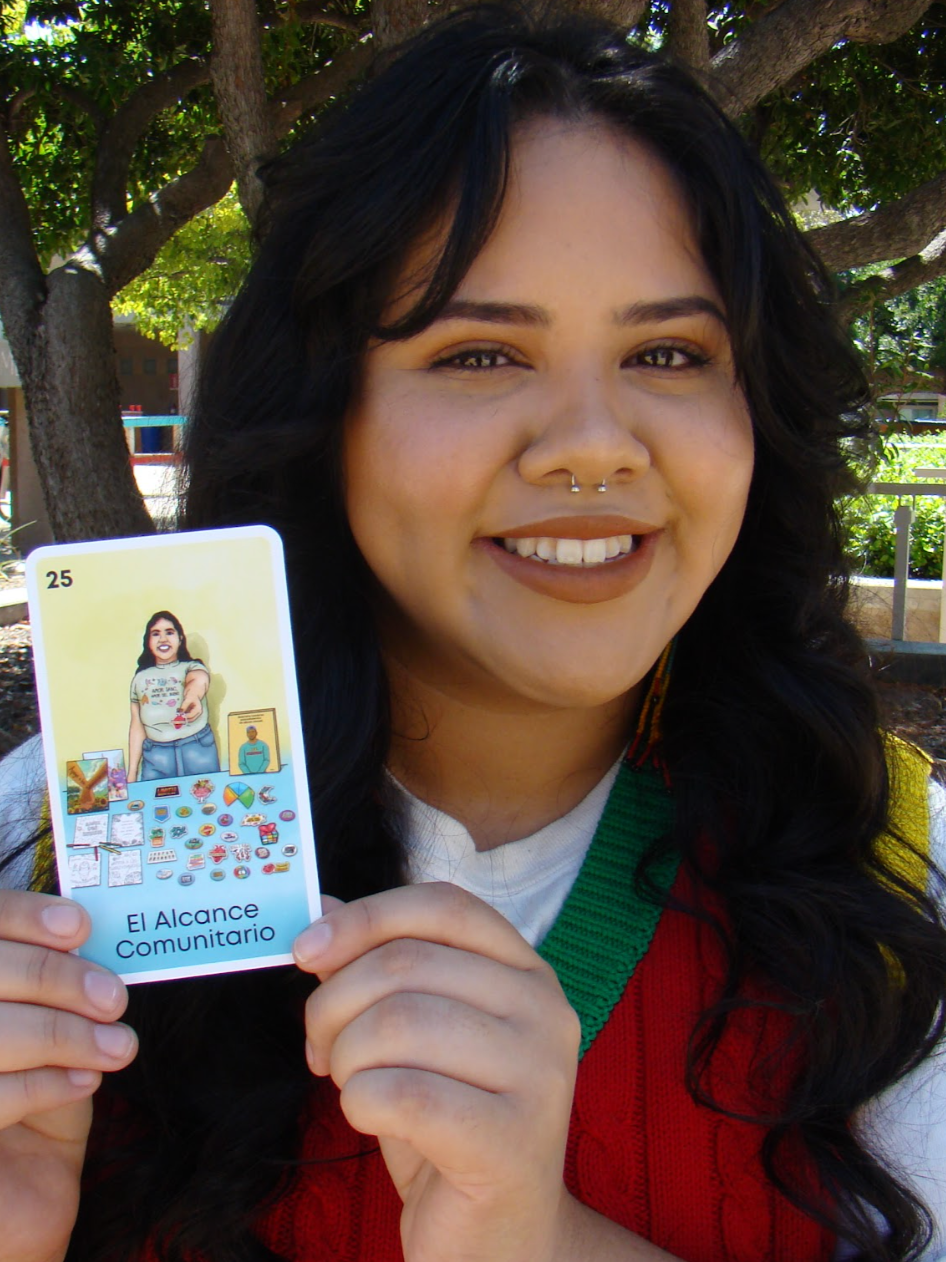
SAAM tabling that ditches the brochures and stats sheets, replacing them with creative materials students actually pick up. For example, art prints with resources on the back and Pokémon-style support buddy cards.
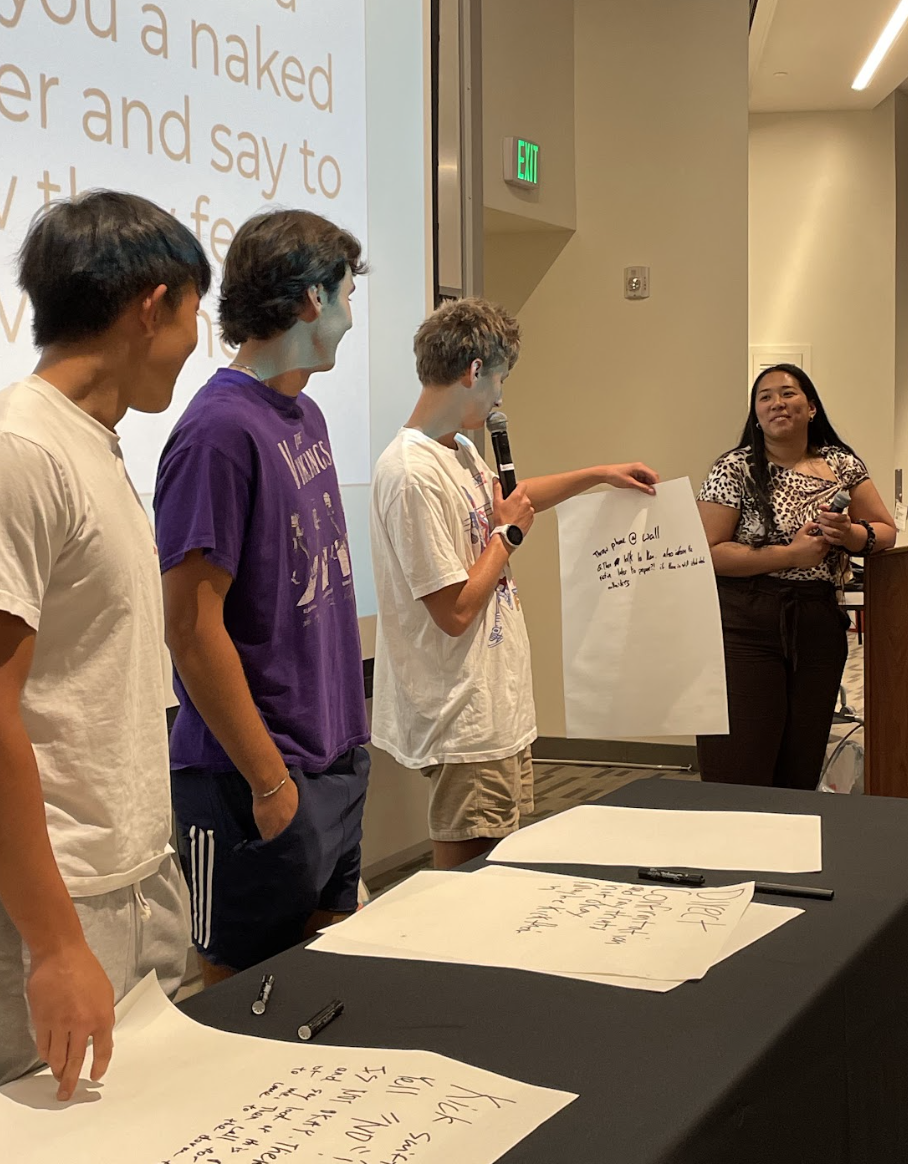
Bystander intervention workshops built around scenario games where young people practice exactly what to say, rather than lectures about why intervention matters.
Campaigns built around the values young people already care about, designed to make violence prevention a desirable action and identity.
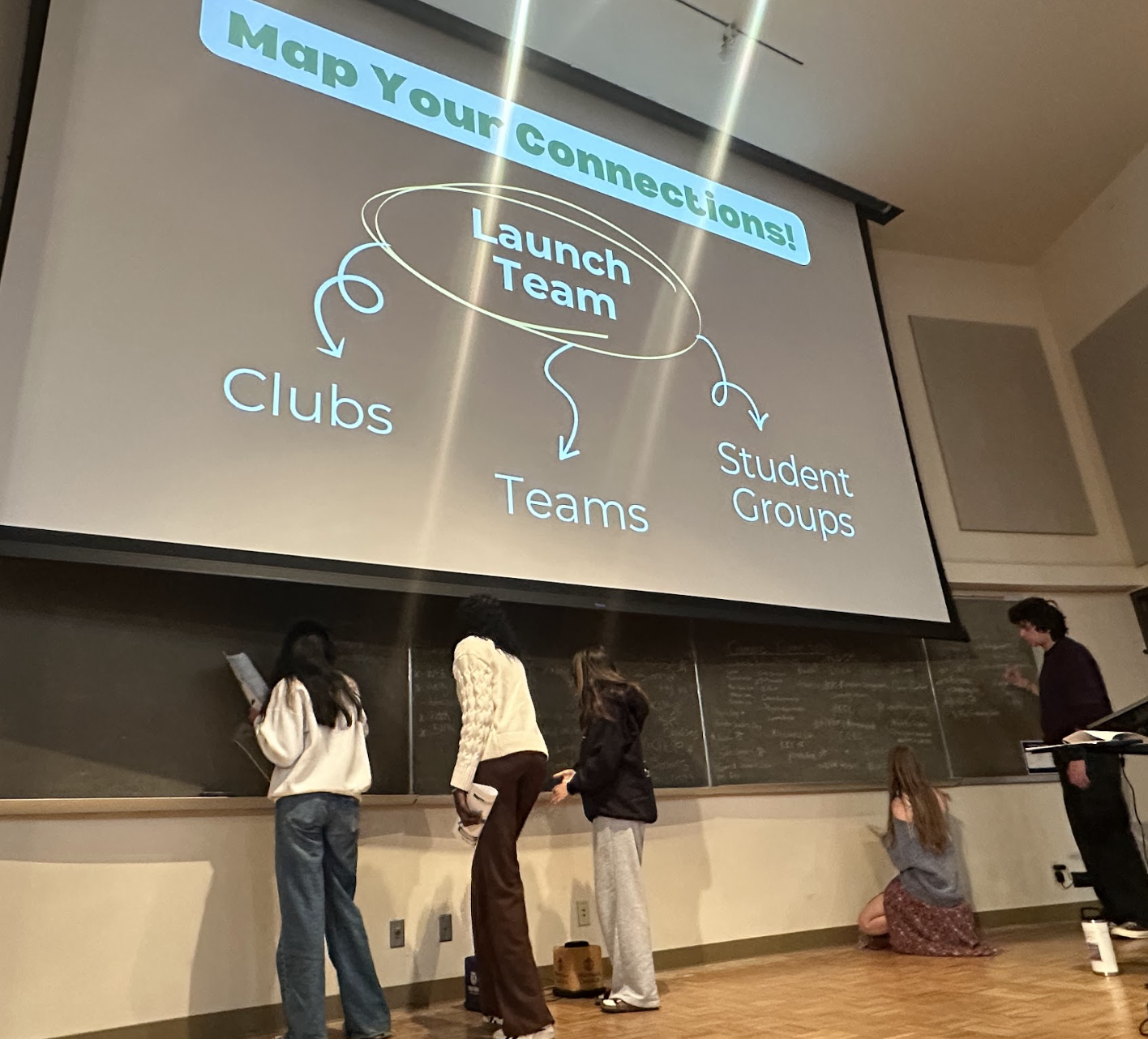
Strategic recruitment and training of peer leaders to lead the way in prevention, and shape new norms among their peers.